
Last updated November 23, 2026
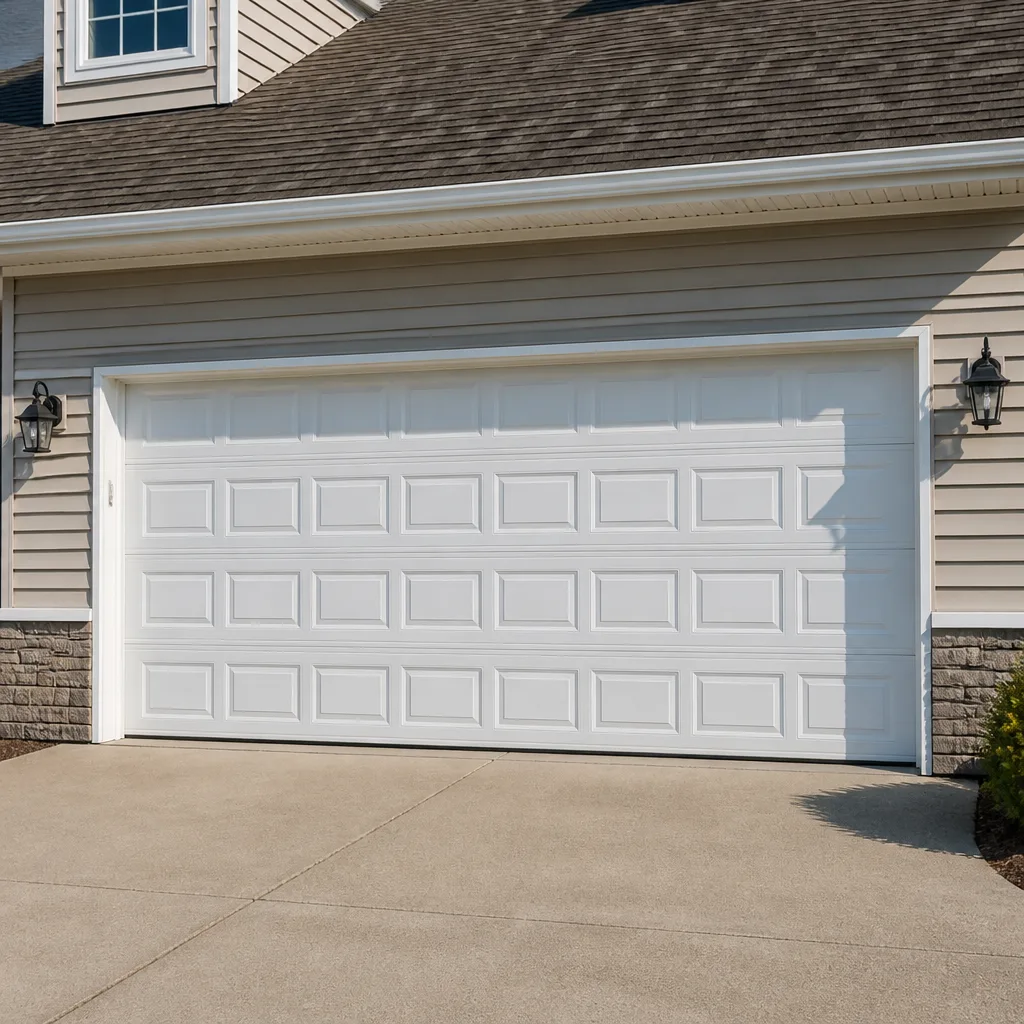 Raised-panel steel
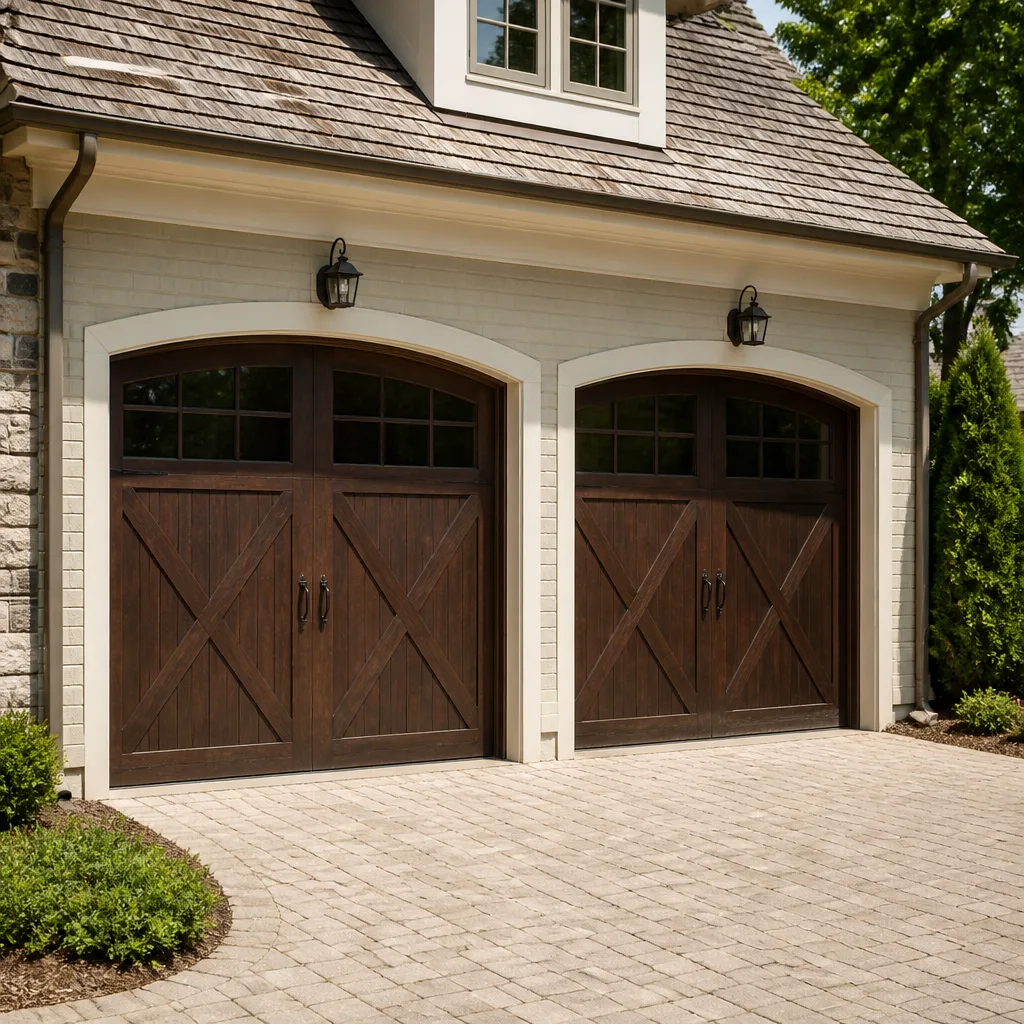 Carriage house
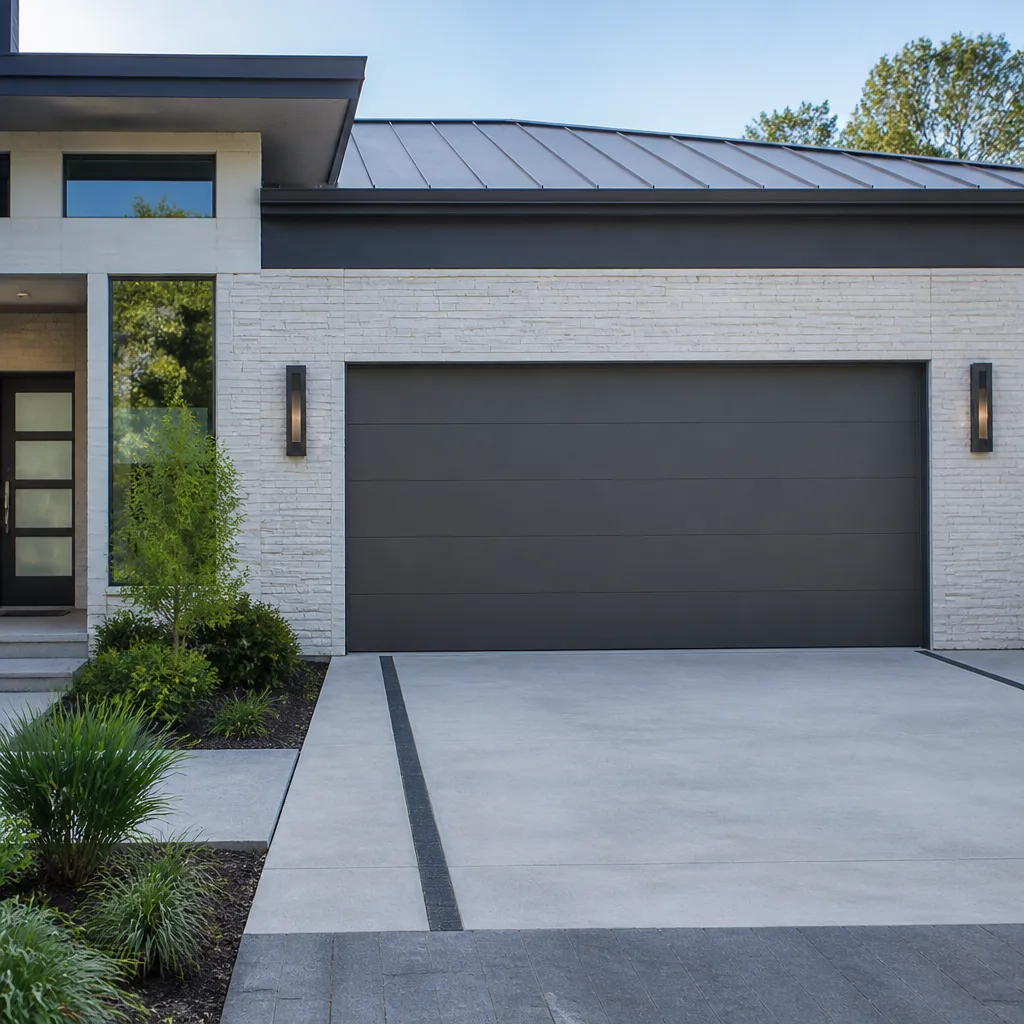 Modern flush
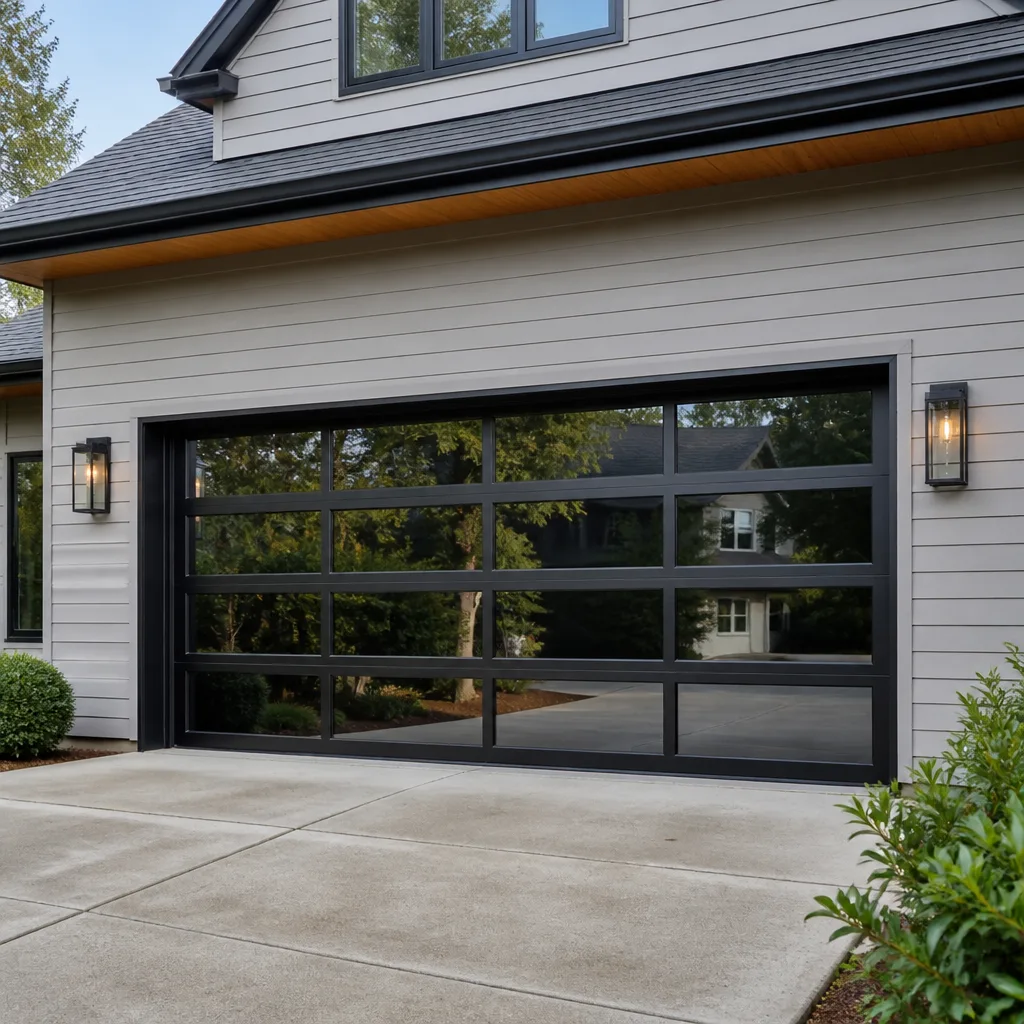 Full-view glass
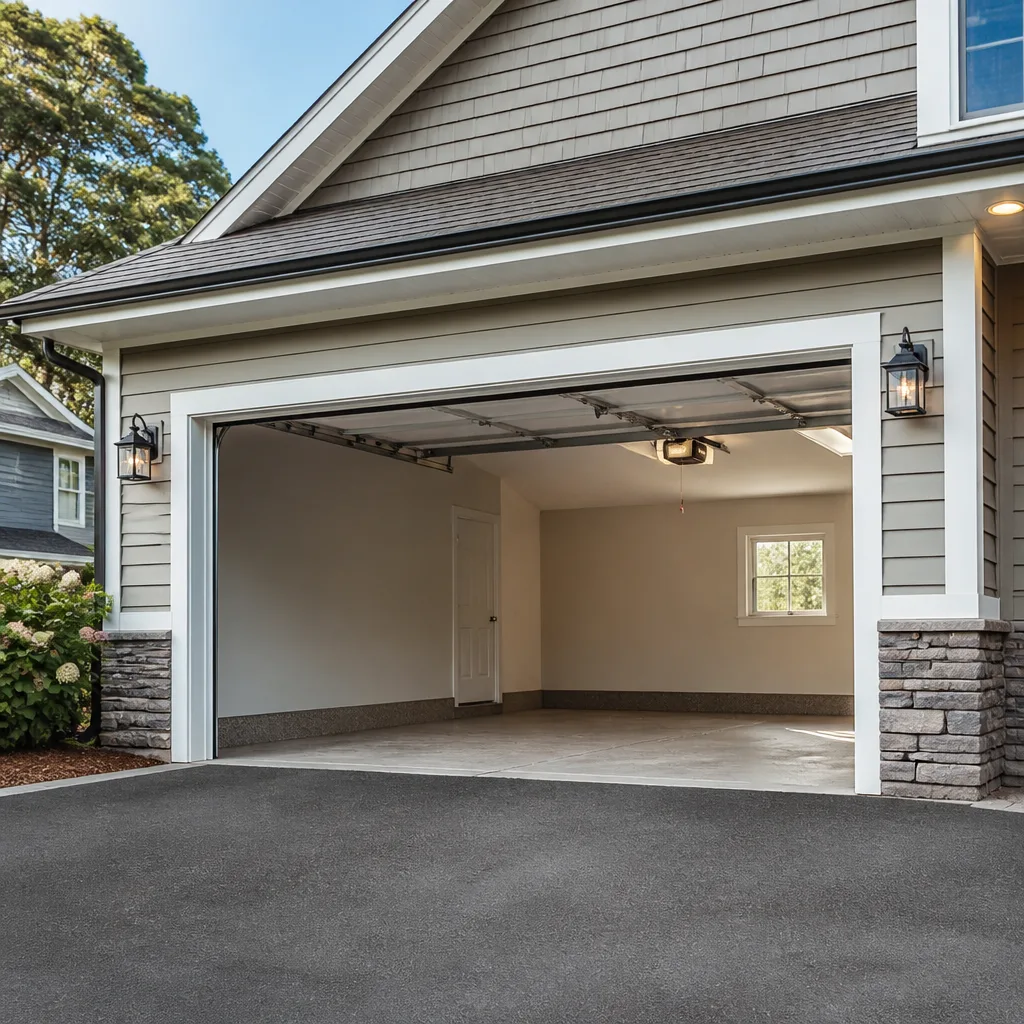 LiftMaster openers
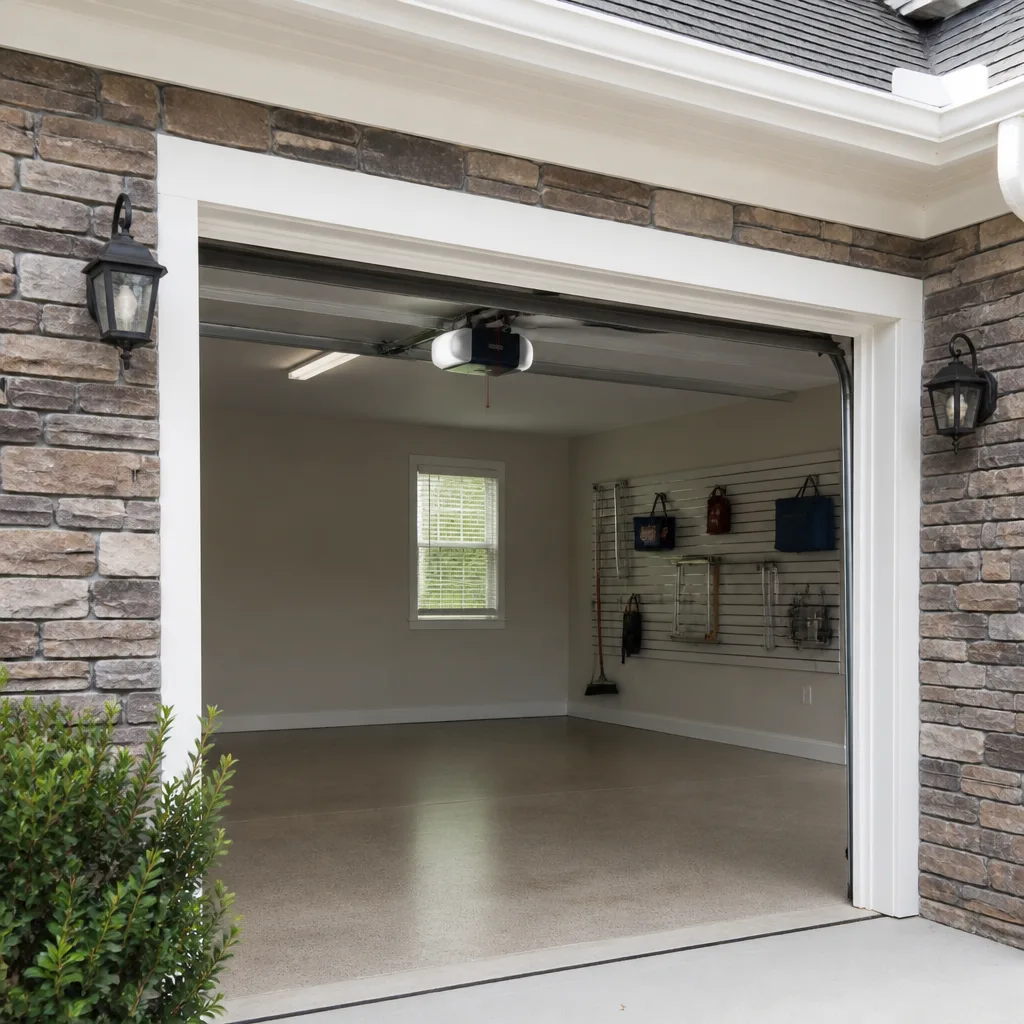 Chamberlain openers
Full 25-point door and opener safety check with every visit - springs, cables, rollers, tracks, and your LiftMaster or Chamberlain opener included
You get a price before we start. It does not change when the pro arrives.
Get your free estimateGarage Door Repair Maintenance Checklist for Bonita Springs Homeowners
Most garage door maintenance checklists floating around online were written for climates with freezing winters. They tell you to winterize, to watch for frost heave, to clear snow from the bottom seal. None of that applies here. In Bonita Springs, the calendar that matters is built around two seasons: the wet months and the dry months. And the checks that actually prevent failures in this climate are the ones those generic lists leave out entirely. This guide gives you a maintenance sequence organized by Bonita Springs weather, with specific corrosion checkpoints, storm-ready hardware tests, and a clear line between what you can safely do from a stepladder and what needs a trained technician.
Quick Answer
A garage door maintenance checklist for Bonita Springs should be organized around the rainy season and dry season rather than spring and summer. The two highest-value tasks are a full hardware and corrosion inspection each November after the wet season ends, and lubrication with a product suited to high humidity rather than standard white lithium grease. Everything involving springs, cables, bottom brackets, or the counterbalance system belongs to a trained technician, not a homeowner with a ladder.
Styles & brands we work with
- Raised-panel steel
- Carriage house
- Modern flush
- Full-view glass
- LiftMaster openers
- Chamberlain openers
Table of Contents
- Why Bonita Springs Needs a Two-Season Checklist
- The Dry Season Checklist: What to Do Before the Rain
- The Post-Rainy-Season Checklist: The November Inspection
- Corrosion Checkpoints for Bonita Springs Homes
- How to Test Wind-Load Hardware After a Major Storm
- Lubrication in High Humidity: What to Use and What to Skip
- Where DIY Ends and Liability Begins
- Brand-Specific Maintenance Notes
- Safety: The Parts You Should Never Touch
- Common Mistakes to Avoid
- When to Call a Professional
- Frequently Asked Questions
- The Bottom Line
Why Bonita Springs Needs a Two-Season Checklist
Most maintenance advice is written for places where the annual threat is cold. That’s not the threat here. In Bonita Springs, the year splits into a wet stretch and a dry stretch, and each one puts different stress on a garage door. During the wet months, humidity sits high for weeks and moisture settles into every pivot point, hinge, and bolt on the door. During the dry months, that accumulated moisture dries out, fasteners can loosen, and any corrosion started in the wet season becomes visible.
That’s the core insight of this guide. The generic spring-and-fall checklist doesn’t fit Bonita Springs, and following it means you’ll skip the hardware inspection that matters most. The two dates that should anchor your garage door maintenance are:
- Late spring (before the heaviest rain): lubricate and tighten so the door goes into the wet season in good shape.
- November (after the rain eases): inspect for corrosion, check that hardware hasn’t drifted, and correct anything the wet season loosened.
Those two touchpoints do more for a Bonita Springs door than four seasonal check-ins copied from a northern guide. The rest of this checklist fills in what those inspections should actually cover.
The Dry Season Checklist: What to Do Before the Rain
Before the wet season arrives is the best time to prepare a garage door for weeks of high humidity. The goal is simple: get the door into the rainy months clean, lubricated, and tight so moisture has less to work with.
Here’s the pre-rain sequence, most of which a homeowner can do from a stepladder:
- Wash the door panels. Use mild soap and water, then rinse and dry. A clean surface gives you a clear view of any corrosion starting on the hardware.
- Wipe down the hinges and roller stems. A dry rag removes grit and old grease before you apply new lubricant.
- Apply a humidity-appropriate lubricant to hinges, roller stems, and the torsion or extension spring coils. See the lubrication section below for product guidance.
- Test the balance of the door. Disconnect the opener and lift the door halfway by hand. It should hold there without drifting. If it falls or rises on its own, the counterbalance system needs attention from a technician.
- Check the auto-reverse safety feature. Place a solid object in the door’s path and confirm the door reverses on contact. This is a safety check, not a repair.
- Inspect the weatherstripping. Run a hand along the bottom seal and the perimeter seals. Any cracking, hardening, or separation should be noted for replacement before the rain.
- Look at the tracks. They should be straight and clear. Wipe them with a damp cloth, but don’t lubricate tracks; they need to stay clean and dry.
If any step here turns up something you’re unsure about, stop and note it. The dry season is the ideal window to schedule garage door repair before rain makes the job more urgent.
The Post-Rainy-Season Checklist: The November Inspection
The November inspection is the most important item on this entire list for a Bonita Springs homeowner. After months of high humidity, the hardware that holds the door together can corrode, loosen, or drift. Catching those issues in November prevents the failures that tend to surface later.
Here’s what the post-rain inspection should cover:
- Inspect every hinge for rust. Look inside the pivot points, not just the surface. Rust in a hinge means it’s binding, and a binding hinge puts extra load on the opener and springs.
- Check bottom bracket bolts. These bolts hold the bottom bracket, which is under serious tension. Look for looseness, and if you see any, do not tighten it yourself. Call a professional.
- Examine roller stems. The stems on the rollers wear and corrode. Worn stems cause the door to run rough and can eventually seize.
- Test weatherstripping adhesion. Check that the bottom seal and perimeter seals still sit tight against the door frame. Any peeling or gap means water and pests can get in.
- Re-lubricate after cleaning. The wet season can leave old lubricant thinned or washed away. Clean and re-apply where needed.
- Check the spring coils visually. Look for gaps, rust streaks, or distortion in the springs. Don’t try to adjust them, just note their condition.
- Operate the door and listen. New grinding, popping, or squealing after the wet season usually points to a hardware issue that crept in over the rainy months.
If the November inspection turns up spring problems, that’s a job for a specialist. Our garage door spring repair service exists for exactly this reason, because spring work in a high-humidity climate needs to be handled carefully and with the right parts.
Corrosion Checkpoints for Bonita Springs Homes
Corrosion is the quiet problem for garage doors in Bonita Springs. The high humidity, combined with the salt that’s present in the air of a coastal region, accelerates rust in the metal parts that see the most moisture. The good news is that five checkpoints catch most of it before it causes a failure.
- Hinges. Open and close the pivot points by hand, or watch them move. Rust inside a hinge means metal-to-metal contact, and that grinds the moving parts down. Hinges are cheap to replace; a door that binds isn’t.
- Bottom bracket bolts. These sit low, near the floor, where standing moisture is common. Rust here is serious because the bottom bracket is part of the tension assembly. Never loosen or tighten it yourself.
- Roller stems. The stems connect rollers to the door. Corroded stems make the door run rough and can eventually fail. Worn stems are worth catching early.
- Weatherstripping adhesion. If the rubber or vinyl seal has lost its grip on the door or frame, moisture and pests come in. This isn’t a corrosion issue in itself, but a failing seal is often the first sign that the door frame is exposed.
- Track fasteners. Check that the bolts holding the tracks to the wall are tight and free of rust. Loose fasteners let tracks shift, and shifted tracks throw the whole door out of alignment.
In Bonita Springs, check these five points in both the pre-rain and post-rain inspections. If corrosion has moved past surface rust into pitting, the part should be replaced rather than cleaned and re-lubricated.
How to Test Wind-Load Hardware After a Major Storm
After a significant storm, wind-load rated hardware needs a visual check before you put the door back in daily use. Florida building codes require garage doors and their fasteners to be rated for wind load, and that rating only holds if the hardware is intact and correctly fastened.
Here’s how to do a post-storm visual test:
- Look at the door from outside. Check that the panels are aligned and that none have shifted or bent. A panel that looks out of line has likely strained its hinges or the track.
- Inspect the track anchors and wall fasteners. Wind-load hardware is only as good as the bolts holding it. Look for any fasteners that have pulled back from the wall or left a gap.
- Check the hinges for distortion. Bent hinges on a storm-stressed door will cause binding even if they look minor.
- Test the door by hand slowly with the opener disconnected. It should move smoothly and hold its position. If it binds, catches, or drifts, stop and call a technician.
- Look at the weatherstripping. Storms often push the perimeter seal loose. Re-seating it is fine; a torn seal should be replaced.
Don’t run a wind-loaded door through a full open-and-close cycle until you’ve checked the anchors and the door’s travel. A door that’s drifted can damage itself further on one complete cycle. If you’re unsure, garage door repair after a storm is worth doing before the door sees daily use again.
Lubrication in High Humidity: What to Use and What to Skip
Standard guidance says to lubricate a garage door with white lithium grease. In a high-humidity climate like Bonita Springs, that advice misses something important: white lithium grease attracts and holds debris, dust, and salt. In dry air, that’s a minor inconvenience. In wet air, the grease gets grimy fast, which means more frequent cleaning and re-lubrication to keep the door running smoothly.
For a Bonita Springs door, the better approach is a lubricant that stays where it’s applied without turning into a debris trap. The general rule:
- Hinges, roller stems, and spring coils: use a garage-door-specific silicone or lithium spray made for hinges and moving parts, and apply it lightly. A small amount goes a long way, and the goal is a thin film, not a coat.
- Tracks: don’t lubricate tracks at all. They should be wiped clean and left dry so rollers can move freely. Grease in a track collects grit and causes binding.
- Weatherstripping: a silicone spray helps keep the rubber supple in humidity. Apply sparingly.
Frequency matters as much as product in Bonita Springs. Aim to clean and re-lubricate before the rainy season and again after it, rather than once a year as a northern checklist would suggest. If the door sits near the coast, expect to check the film between those two passes and top up where needed.
If your door uses a Genie or a Chamberlain opener, remember that the opener’s mechanical parts have their own lubrication needs, and a lazy door is a good reason to look at garage door opener repair rather than just oiling everything and hoping.
Where DIY Ends and Liability Begins
Not every garage door task is safe for a homeowner. Some are easy and harmless. Others involve parts that are under dangerous tension or that need specific training to handle. Knowing which is which is the most valuable part of any maintenance checklist.
Tasks a homeowner can generally do with a stepladder and a rag:
- Washing door panels.
- Wiping down hinges, tracks, and roller stems.
- Applying lubricant to hinges, roller stems, and spring coils.
- Testing the auto-reverse safety feature.
- Checking weatherstripping for cracks or separation.
- Doing a visual inspection of springs for rust or obvious distortion.
Tasks that become a liability if done without training:
- Any work on springs or cables. These parts are under extreme tension. A mistake can cause serious injury. Spring repair is a specialist job, and in Bonita Springs we handle it through our dedicated garage door spring repair service for exactly this reason.
- Adjusting the bottom bracket or the counterbalance system. These are part of the tension assembly. Leave them to a trained technician.
- Replacing hinges on a loaded door. If the door is under tension, removing a hinge can shift the load. A technician will relieve the tension first.
- Realigning tracks that have moved. Track adjustments affect the whole door and its wind-load rating. These belong to a professional.
- Working on the opener’s internal mechanism or the safety sensors’ wiring.
Our technicians have up to 12 years of experience, and they know where the safe line sits. If a task on your checklist crosses it, call us.
Brand-Specific Maintenance Notes
Garage door maintenance is simpler when you know which system you’re looking at. A door from one manufacturer can have different hardware than a door from another, and generic maintenance advice doesn’t always account for that. We work on the brand you already have, and we’re certified on 8 major garage door and opener brands, including Genie, Clopay, Amarr, and Wayne Dalton.
A few brand-specific notes for Bonita Springs homeowners:
- Clopay and Amarr doors often have specific hinge and roller part numbers that need to match when a worn piece is replaced. Using a generic replacement can cause binding in high humidity.
- Wayne Dalton doors sometimes use proprietary hardware at the bottom bracket and hinges. If you see replacement parts that don’t look like the originals, don’t force them.
- Genie openers have their own maintenance intervals and belt or screw drive considerations. If your Genie opener sounds like it’s working harder than it used to, get it checked rather than assuming the door is the problem.
Your door’s manual and the labels on the door and opener are the best source for part numbers. Keep them, and point them out to any technician who works on the door.
Safety: The Parts You Should Never Touch
Garage door springs and cables are under extreme tension at all times. A torsion spring can store enough energy to cause serious injury if it releases unexpectedly, and a snapped cable can whip with dangerous force. This is true on every door, in every climate. In Bonita Springs, the high humidity adds a slow-burn risk: corroded hardware can weaken over months and fail without warning.
That’s why we treat spring repair as a standalone specialty rather than a routine task. It isn’t a job for a homeowner with a ladder and a wrench, and we wouldn’t advise anyone to try. The right move when you see a broken spring, a sagging door, a frayed cable, or a door that’s suddenly hard to lift is to stop using it and call a professional.
The same caution applies to the electrical side if you’re thinking about the opener. Never open the opener’s housing or touch the wiring. If the opener is failing, that belongs to a technician who knows the system.
Common Mistakes to Avoid
- Following a northern-climate checklist here. A guide built for freezing winters will have you looking for frost and snow while your door’s hardware is quietly corroding in the humidity. The two inspections that matter in Bonita Springs are pre-rain and post-rain, not spring and fall.
- Using white lithium grease in high humidity. It attracts grit and turns into a debris trap faster than you’d expect. Use a garage-door-specific lubricant and apply it lightly.
- Skipping the November inspection. It’s the single most valuable check on the calendar for a Bonita Springs door. The wet season leaves its marks; November is when you find them.
- Running a wind-loaded door through a full cycle right after a storm. Check the track anchors and door alignment first. A door that’s drifted can damage itself further on one full open-and-close.
- Tightening or loosening the bottom bracket yourself. It’s part of the tension assembly and it’s dangerous. This is exactly the kind of task the checklist is meant to catch and hand to a professional.
- Lubricating the tracks. Tracks should be clean and dry. Grease in the track collects grit and causes binding, which is the opposite of what you want.
- Ignoring new noises after the wet season. Grinding, popping, or squealing after months of humidity usually points to a hardware issue that crept in quietly. Get it looked at before it becomes a spring or a failure.
When to Call a Professional
Some garage door issues are safe to handle yourself, and some absolutely are not. Call a professional if you see a broken or sagging spring, a frayed or snapped cable, a bottom bracket that looks loose or rusted through, a door that binds or drifts when moved by hand, tracks that have shifted after a storm, or an opener that’s grinding or failing to lift the door. Any task that involves the springs, cables, or the counterbalance system is a professional job, no matter how small it looks. Bonita Springs Garage Door Repair Pros offers free estimates in Bonita Springs. Call (866) 647-2827. We answer 24/7. Fast dispatch from 7am to 7pm, Sunday through Friday.
Frequently Asked Questions
Twice a year is the right rhythm in Bonita Springs: once before the rainy season and once after it. The post-rain inspection each November is the more important of the two, because months of humidity leave hardware loose and corroded. A door that gets those two check-ins generally runs better and lasts longer than one that only sees attention when something breaks.
Yes, you can lubricate hinges, roller stems, and spring coils yourself from a stepladder. Wipe each part clean first, then apply a light layer of a garage-door-specific lubricant. Don’t lubricate the tracks at all, and stop before you get to anything involving tension, like the springs or bottom bracket. If you’re not sure whether a part is safe to touch, call us at (866) 647-2827 and we’ll talk you through it.
The dry-season checklist prepares the door before humidity arrives by cleaning, lubricating, and tightening. The rainy-season checklist inspects what the wet months did to the door: corrosion in hinges, loose bottom bracket bolts, and weatherstripping that’s lost its grip. Do both, and you’ve covered the two failure windows in this climate.
It’s not the best choice in a high-humidity climate like Bonita Springs. White lithium grease attracts and holds grit and moisture, which means you’ll be cleaning and re-lubricating more often. A garage-door-specific silicone or lithium spray applied lightly holds up better and keeps hinges and roller stems moving smoothly. Call (866) 647-2827 for an exact quote on a full maintenance visit; estimates are free.
Start with the track anchors, the wall fasteners, and the door’s panel alignment. Look for fasteners that have pulled back or left a gap, bent hinges, and weatherstripping that’s been pushed loose. Test the door by hand with the opener disconnected before you run it. If anything looks out of line, call a professional before that door gets used again.
Yes. The local pros we connect you with are licensed and insured as their state requires, and they’re trained specifically on garage doors rather than general home repairs. That matters most with spring work, which is the most dangerous part of the job. Call (866) 647-2827. We answer 24/7. Fast dispatch from 7am to 7pm, Sunday through Friday.
The Bottom Line
A garage door maintenance checklist for Bonita Springs should be organized around the wet and dry seasons, not spring and summer. The two inspections that matter most are the pre-rain preparation and the November post-rain hardware check. Keep the steps you can safely handle from a stepladder: washing, wiping, lubricating, checking the weatherstripping, and testing the auto-reverse and balance. Hand everything involving springs, cables, the bottom bracket, or the opener’s inner mechanics to a professional. Do that, and your door will run smoother and last longer in this climate.
Contact
If your door needs attention, or if a checklist item turned up something you’d rather not handle alone, call us. We specialize in every age of garage door: repair, opener repair, spring repair, new installation, and emergency response, all from one call. We work on the brand you already have, including LiftMaster, Chamberlain, Genie, Clopay, Amarr, Wayne Dalton, Craftsman, and Raynor. Call (866) 647-2827 for a free estimate. We answer 24/7. Fast dispatch from 7am to 7pm, Sunday through Friday.
Written by the team at Bonita Springs Garage Door Repair Pros.
See the difference
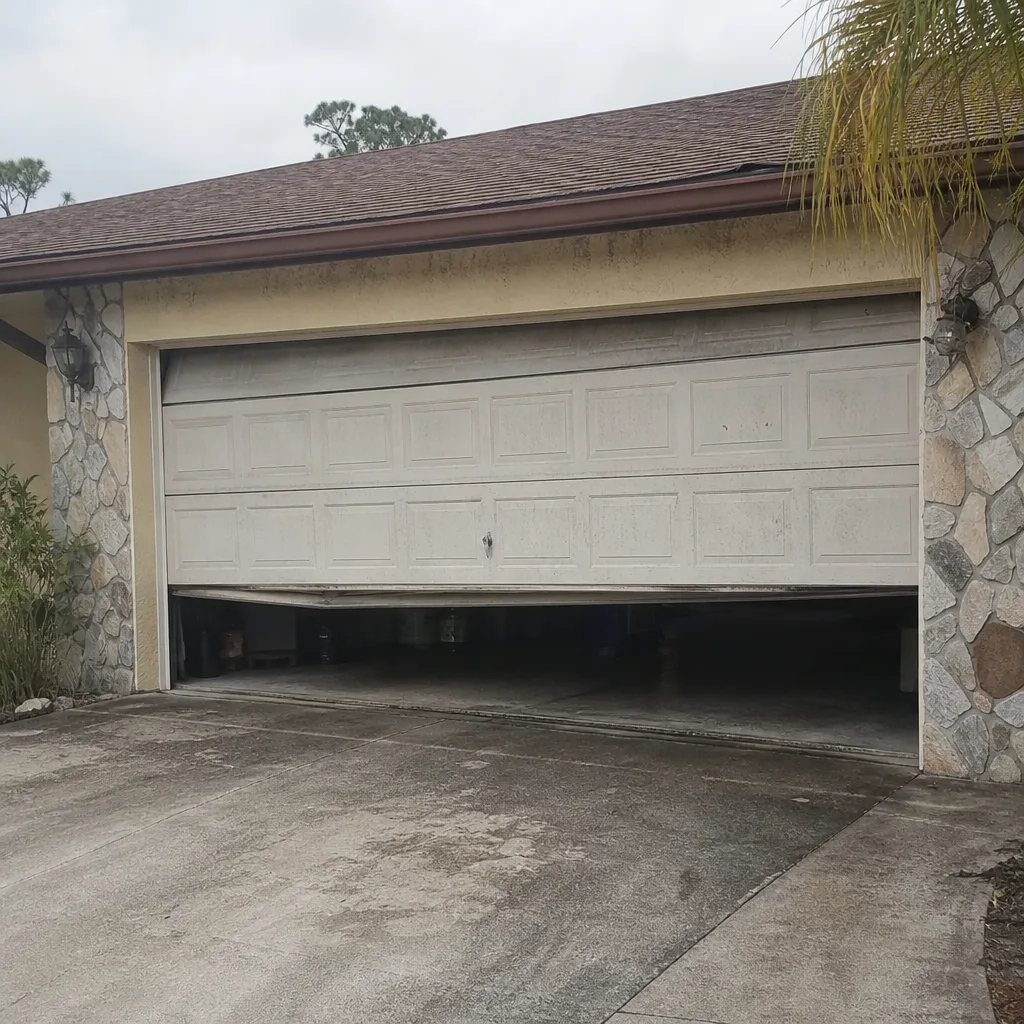 Before
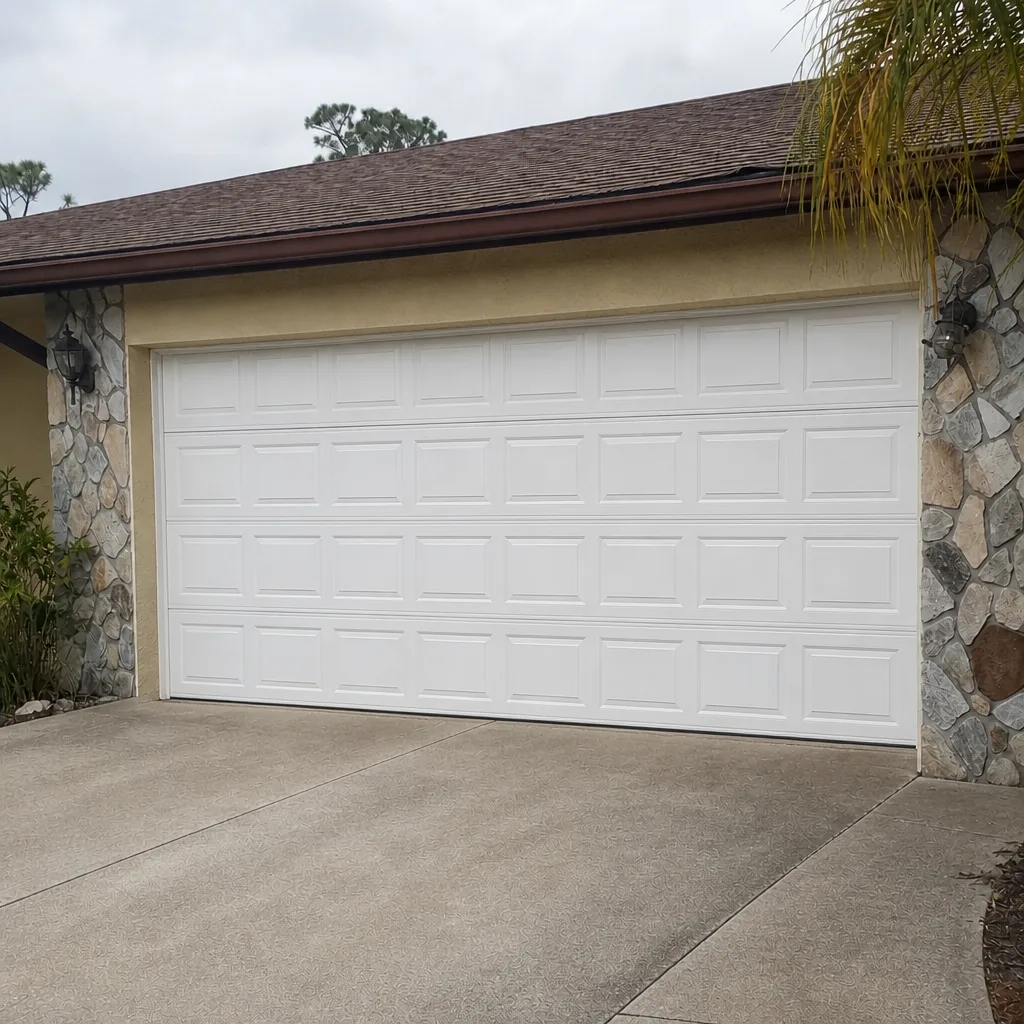 After
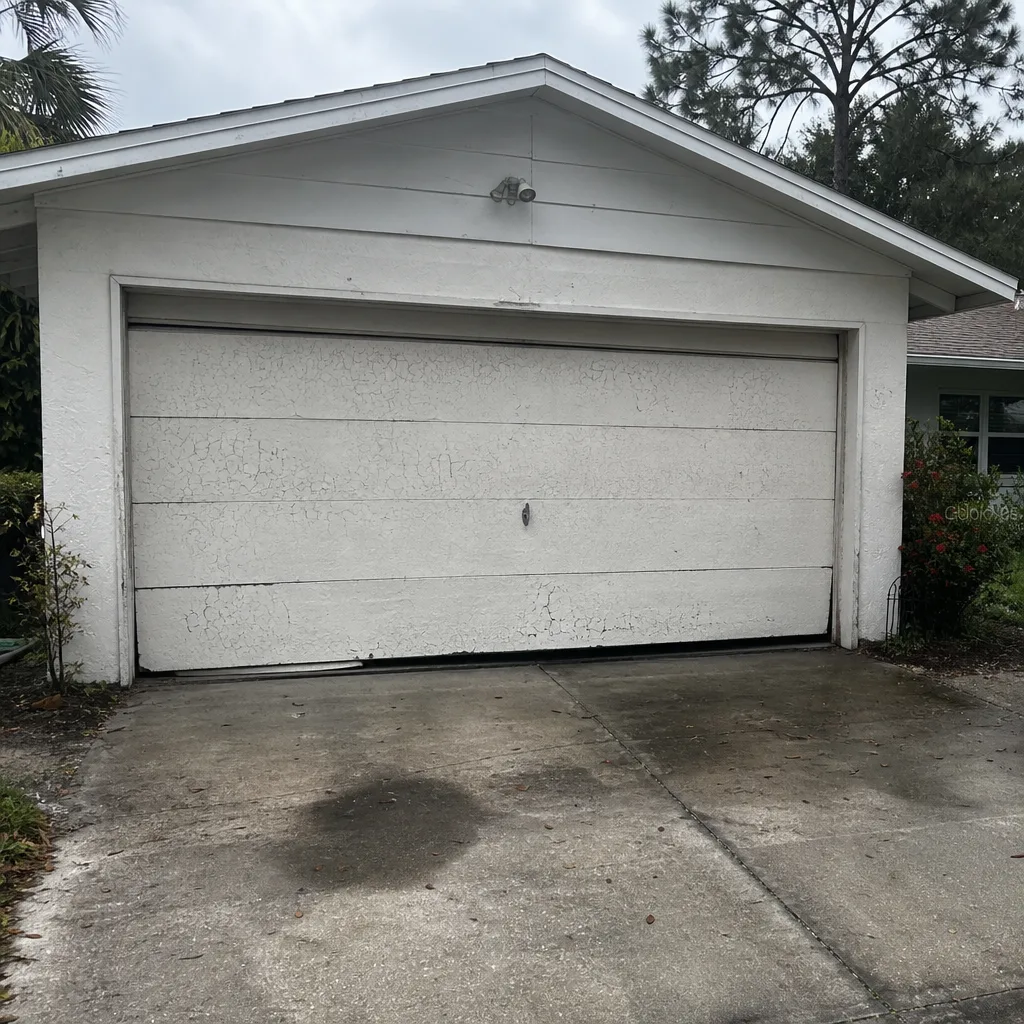 Before
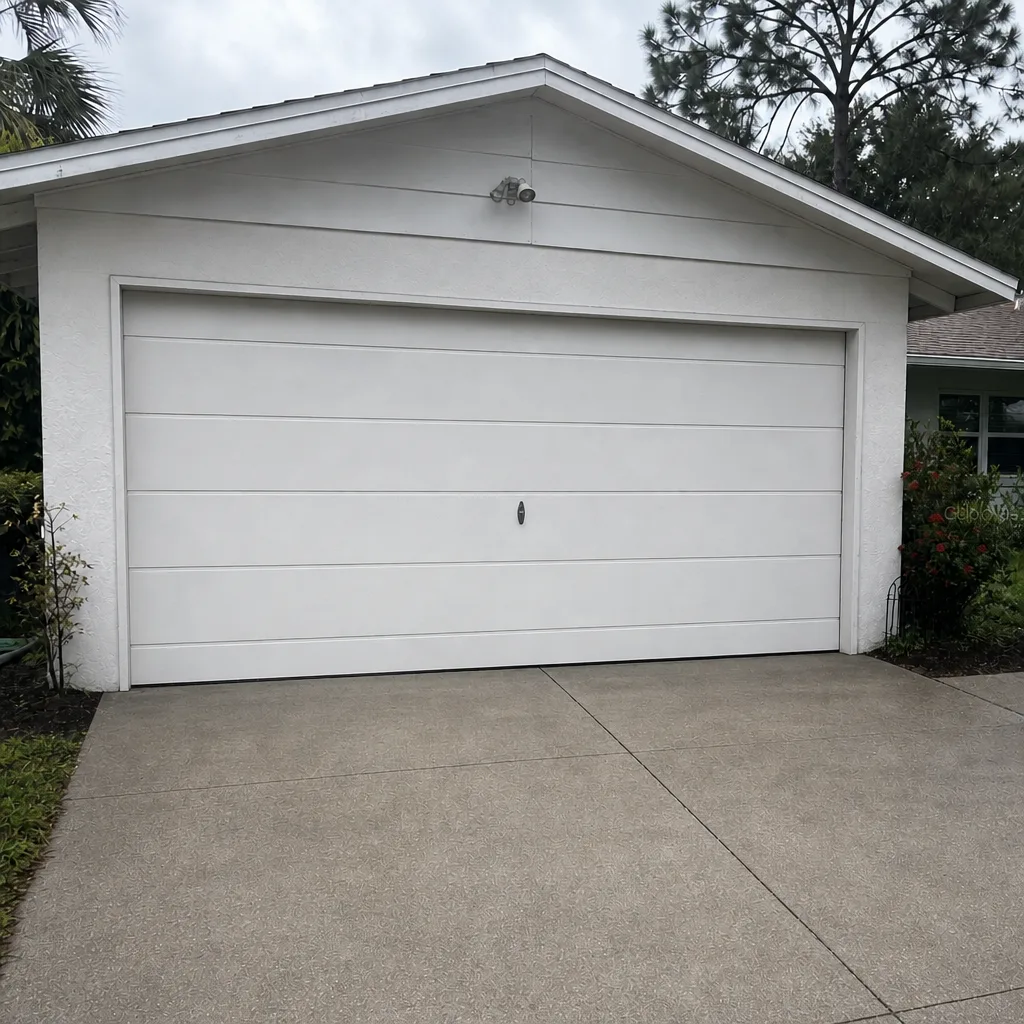 After
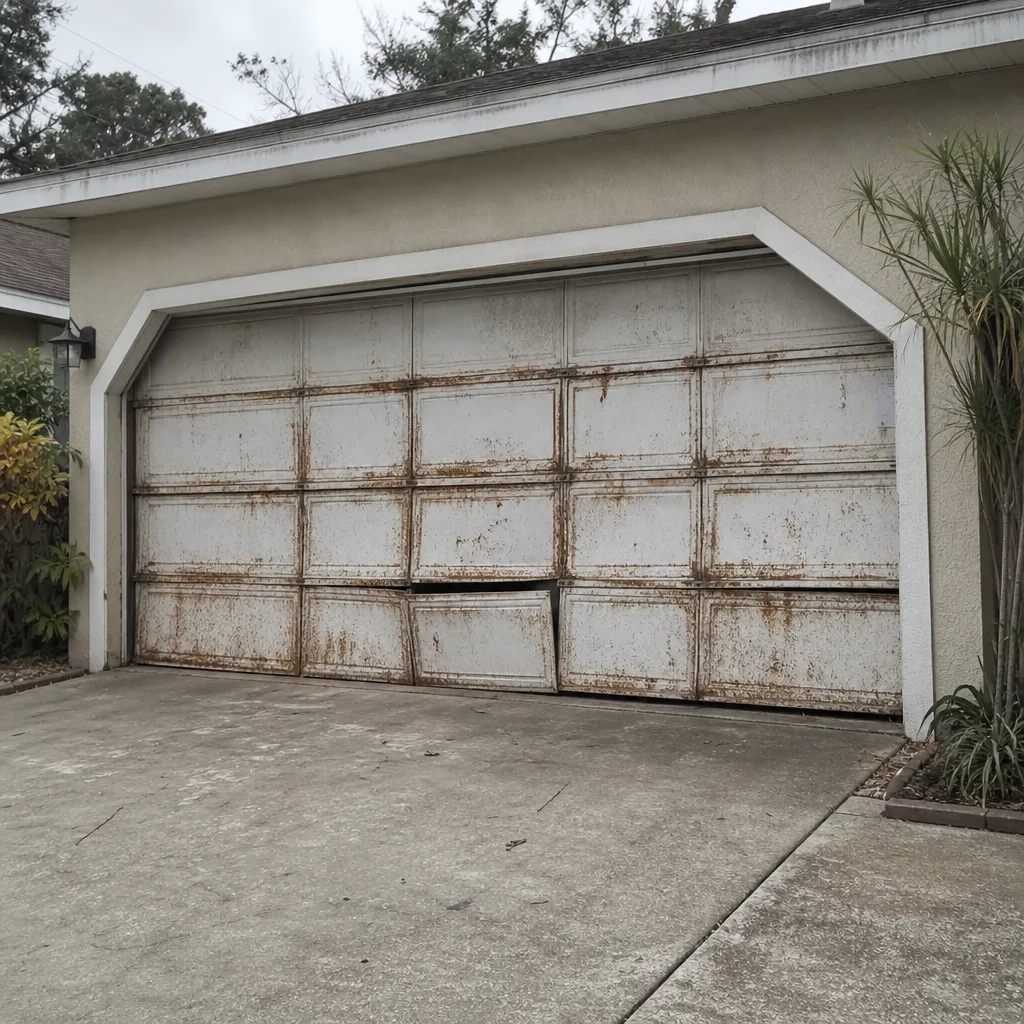 Before
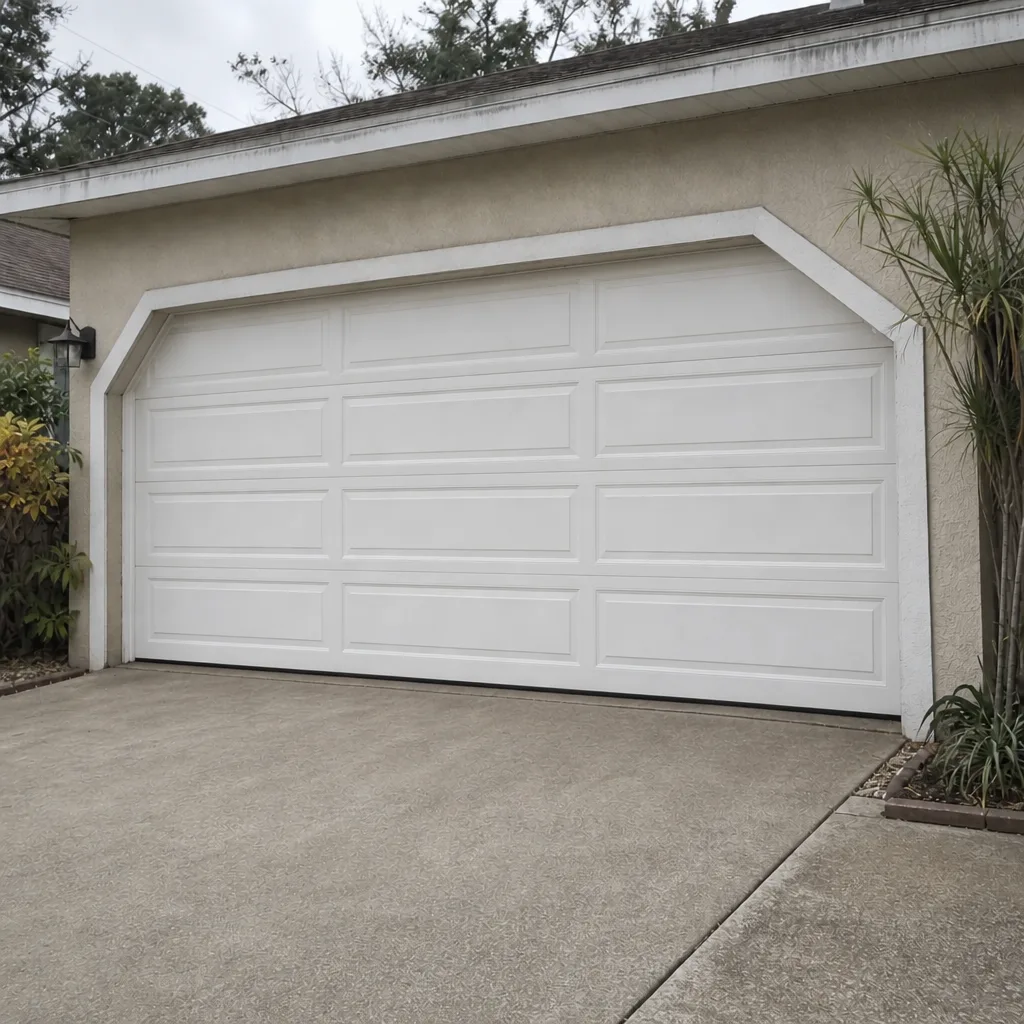 After