
Last updated November 23, 2026
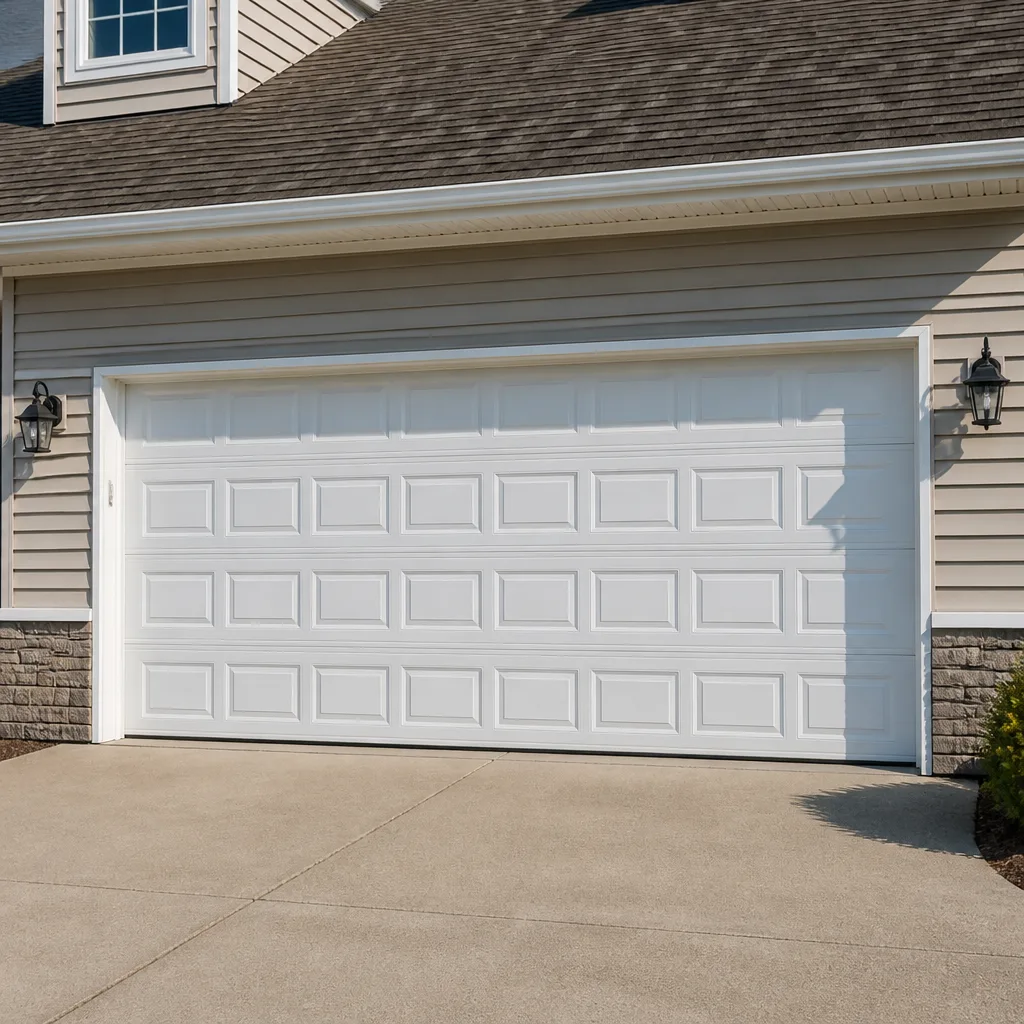 Raised-panel steel
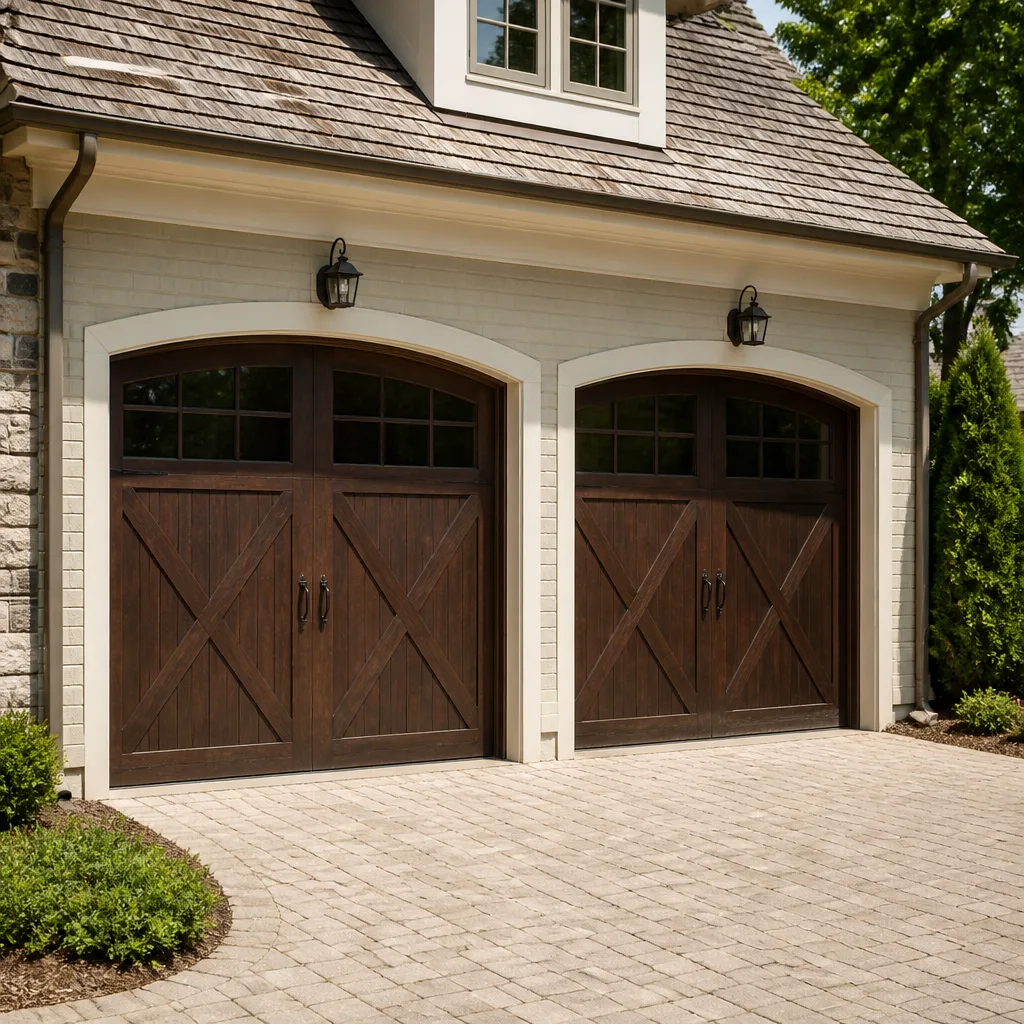 Carriage house
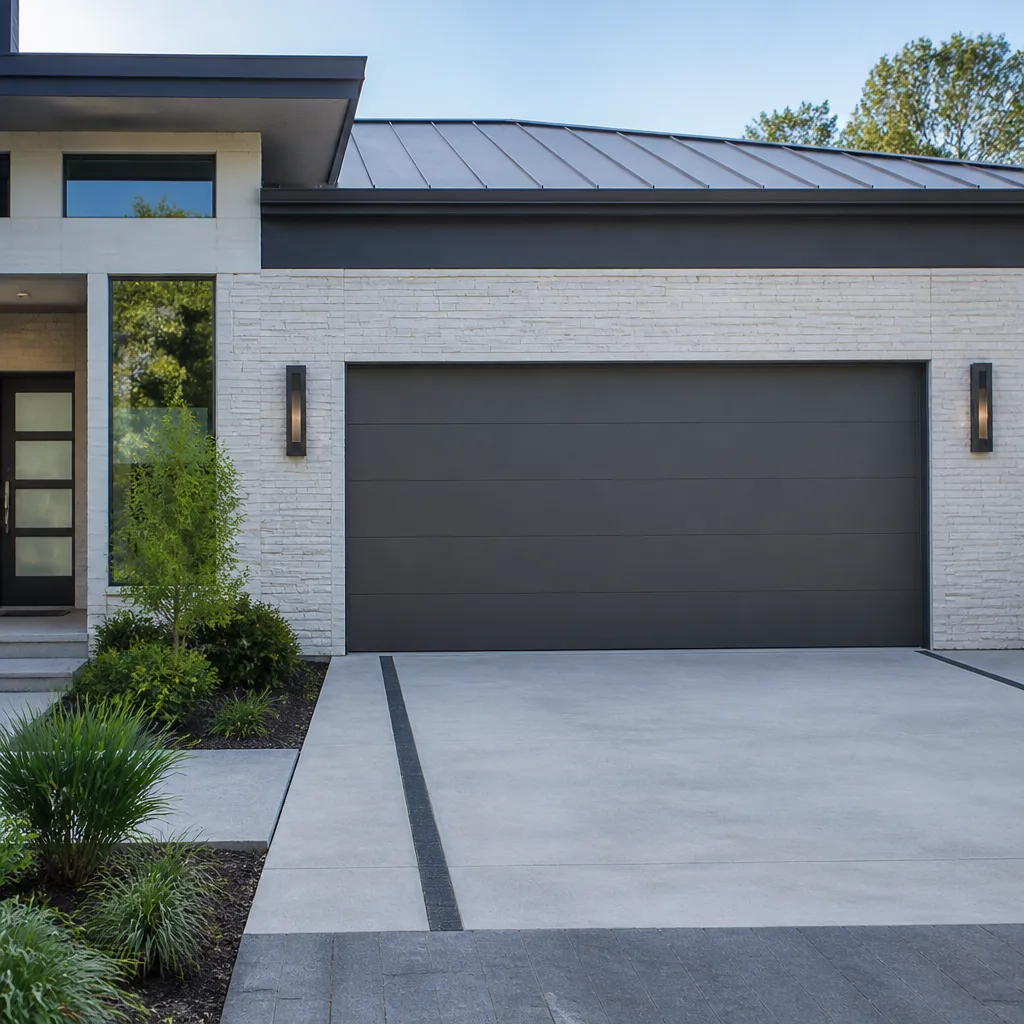 Modern flush
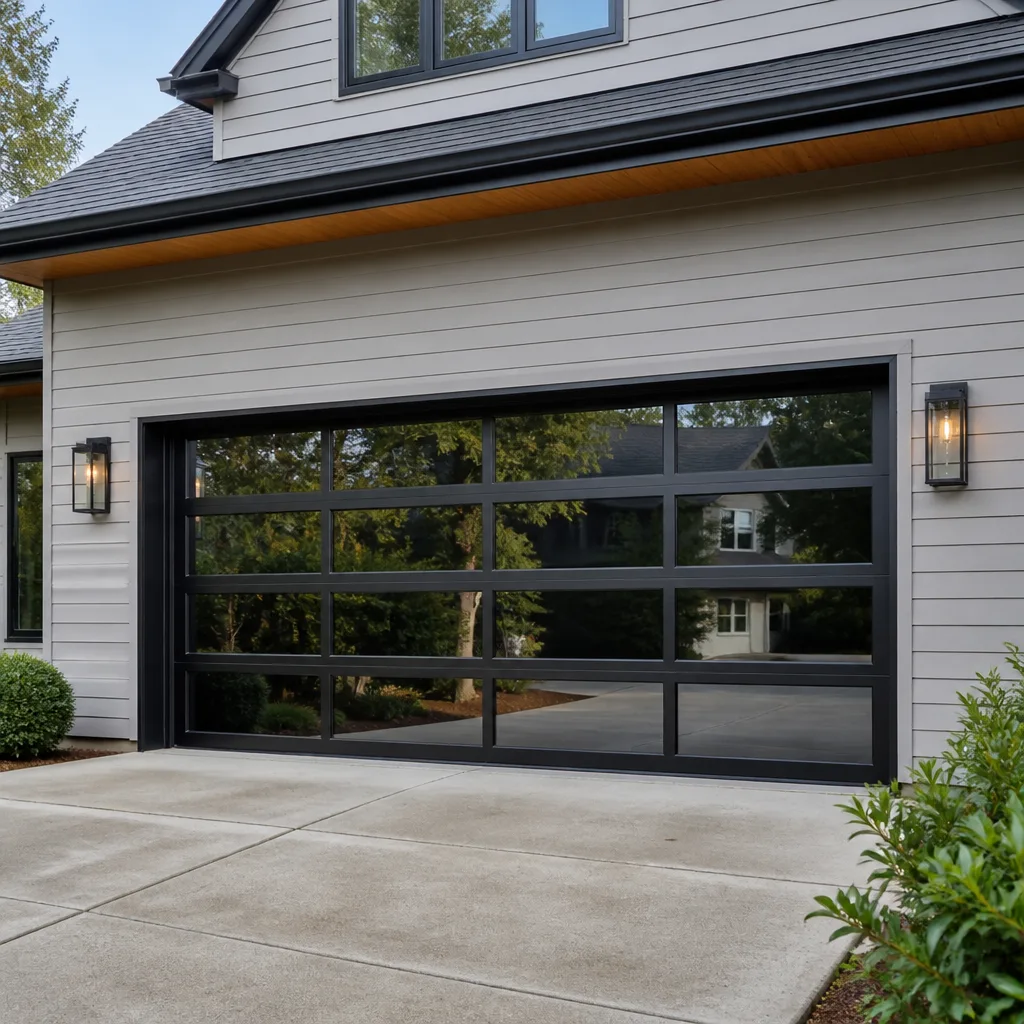 Full-view glass
 LiftMaster openers
 Chamberlain openers
Full 25-point door and opener safety check with every visit - springs, cables, rollers, tracks, and your LiftMaster or Chamberlain opener included
You get a price before we start. It does not change when the pro arrives.
Get your free estimateDIY vs Professional Garage Door: The Bonita Springs Homeowner’s Decision Guide
Replacing a worn weatherstrip seal yourself is a smart afternoon project that saves real money. Replacing a torsion spring yourself is dangerous anywhere. But here in Bonita Springs there’s a third layer most guides skip: some garage door work isn’t just risky, it’s a permit question with insurance consequences. Install or replace door panels without the right paperwork and you can undercut a wind mitigation credit worth far more than the labor you saved. This guide breaks garage door tasks into three clear tiers – do-it-yourself safe, do-it-yourself risky, and legally off-limits – so you can decide with your eyes open instead of guessing.
Quick Answer
Most garage door maintenance is fine to do yourself: lubricating hinges and rollers, replacing weatherstrip, cleaning safety sensors, and tightening exposed bolts. Anything involving torsion springs, cables under tension, or a full door replacement belongs with a trained professional, and in Florida a door replacement often requires a permitted, licensed installation to keep your wind mitigation insurance credit intact. The dividing line in Bonita Springs isn’t just safety – it’s code and insurance.
Styles & brands we work with
- Raised-panel steel
- Carriage house
- Modern flush
- Full-view glass
- LiftMaster openers
- Chamberlain openers
Table of Contents
- The Three Tiers of Garage Door Work
- Do-It-Yourself Safe: The Tasks Worth Doing Yourself
- Do-It-Yourself Risky: Tasks That Look Easy and Aren’t
- Why a Torsion Spring Isn’t a Weekend Project
- Florida Permits and the Licensed Contractor of Record
- The Insurance Angle: Unpermitted Work in Lee County
- How to Price a Professional Job Accurately
- Common Mistakes to Avoid
- When to Call a Professional
The Three Tiers of Garage Door Work
The DIY versus professional question gets clearer when you stop treating “garage door work” as one thing. In our experience, every job on a residential door in Bonita Springs falls into one of three buckets, and knowing which bucket you’re in takes about thirty seconds of honest assessment.
Tier 1 – Do-it-yourself safe. These are low-force, low-height tasks that don’t touch stored energy. Lubrication, weatherstrip replacement, sensor alignment, cleaning the photo-eye lenses, and wiping down the tracks all live here. You need a ladder, some lubricant, and patience. Nothing in this tier can launch a part across the garage or void a permit.
Tier 2 – Do-it-yourself risky. These tasks look simple but interact with a system under load. Adjusting a cable, re-tensioning a spring, resetting opener travel limits after a hardware change, or swapping a bottom bracket all fall in this tier. The door may work afterward and still be one cycle away from a failure. We’ve seen homeowners get a door moving again only to have a cable slip weeks later.
Tier 3 – Legally or physically off-limits. Torsion spring replacement, cable replacement where the spring must be relieved first, and full door or panel replacement that requires a permit. In Bonita Springs, that last one carries a legal dimension: a permitted installation with a licensed contractor of record is often what protects your insurance position.
Here’s the practical way to use these tiers. If your task is in Tier 1, do it. If it’s in Tier 2, read the rest of this guide before you touch anything – the savings are usually smaller than they look. If it’s in Tier 3, stop and call a specialist. That’s not a sales line; it’s how the code, the physics, and your insurance all line up. Our full range of garage door repair covers all three tiers, so if you’re unsure which one you’re in, that’s a reasonable question to bring to a free estimate.
Do-It-Yourself Safe: The Tasks Worth Doing Yourself
Some garage door maintenance genuinely belongs in your hands, and doing it well extends the life of the whole system. These are the tasks we tell Bonita Springs homeowners they can absolutely handle on their own.
Lubrication. Every hinge, roller stem, and the torsion shaft bearings benefit from a light coat of garage-door-specific lubricant a couple of times a year. Avoid heavy grease – it attracts grit in a humid climate and turns into grinding paste. A silicone or lithium spray works well on rollers and hinges; a few drops of light oil on the torsion bearings is enough.
Weatherstrip replacement. The rubber seal along the bottom of the door and the vinyl around the frame take a beating from sun, humidity, and the seasonal afternoon storms. When the bottom seal gets brittle or cracks, you can pull it out of its retainer and slide in a new one with no more than a screwdriver and a pair of pliers. This is one of the best value repairs a homeowner can do – the part is inexpensive and the installation is straightforward.
Safety sensor cleaning and alignment. If the door reverses on its own or refuses to close, the photo-eye sensors are the first thing to check. Wipe the lenses with a soft cloth, confirm the small indicator lights on each sensor are solid, and make sure nothing is blocking the beam. A bumped sensor bracket is a common cause of a door that “won’t close” – and it’s a two-minute fix.
Track cleaning and visual inspection. Wipe the inside of the vertical and horizontal tracks with a damp cloth and check for dents, debris, or misalignment. Don’t lubricate the tracks themselves – they’re meant to stay dry so the rollers can ride cleanly. While you’re up there, look at the springs and cables for obvious fraying or rust. If you see anything that looks wrong, that’s a Tier 2 or 3 signal.
Balance test. With the door in the closed position, pull the opener release and lift the door about halfway by hand. A properly balanced door should stay put when you let go. If it drops or rises on its own, the springs are out of balance and you should not run the opener until a technician looks at it.
- Lubricate hinges, rollers, and torsion bearings – twice a year
- Replace the bottom weatherstrip seal when it cracks or hardens
- Clean photo-eye lenses and confirm both indicator lights are solid
- Wipe tracks clean but never lubricate them
- Run the manual balance test to catch spring problems early
Do-It-Yourself Risky: Tasks That Look Easy and Aren’t
These are the tasks that generate the most repair calls we handle in Bonita Springs – not because homeowners are careless, but because the tutorials make them look simpler than they are. Each one touches a system under stored energy, and each one has a failure mode that can damage the door, the opener, or you.
- Cable adjustment. The lift cables run from the bottom corners of the door up to the drums at the top. If a cable is slack or has jumped the drum, correcting it means relieving the spring tension first – a step that’s not obvious from the outside. A cable under partial load can whip with serious force if you release it the wrong way.
- Opener travel limit and force adjustment. After a hardware change, the opener needs its travel limits and force settings reset. This isn’t dangerous in itself, but a mis-set force limit lets the door close on an obstruction without reversing. That’s a safety failure, not a convenience problem, and it’s one of the reasons we treat garage door opener repair as its own discipline.
- Remote and keypad reprogramming. Lower-risk than the others, but every opener brand has its own sequence, and reprogramming the wrong way can clear the memory on the whole system – including the wall console. LiftMaster, Chamberlain, Genie, and Craftsman all use different procedures, and if you’re working from a generic web guide you may be following the wrong one.
- Bottom bracket replacement. The bottom bracket is the cast-metal piece that holds the cable end at each corner of the door. It’s under full cable tension at all times. Replacing one without properly relieving the spring is genuinely dangerous.
- Roller replacement. Removing a roller from a hinge while the door is under tension at the top can drop the door suddenly. If your rollers are worn (a common condition in humid climates, where the stems seize), the job needs to be done with the door in the right position and the tension managed.
What ties these together is stored energy. The cables and the spring system work as a unit, and adjusting one part without understanding the whole system is how Tier 2 tasks turn into Tier 3 repairs. When we diagnose one of these jobs, we’re looking at the whole mechanism, not just the part that’s making noise.
Why a Torsion Spring Isn’t a Weekend Project
A torsion spring replacement is the single most dangerous task on this list, and the physics explain why: a wound torsion spring holds hundreds of pounds of force when the door is closed, and that force is released entirely if the spring breaks or is unwound incorrectly. A typical two-car garage door weighs in the range of 150 to 200 pounds, but the torque stored in the spring is what matters here, not the door weight. When a spring snaps, it can spin a winding bar through the air with enough speed to break bones or worse.
Three things make this such a specific hazard:
- The stored energy is invisible. Unlike a stretched garage door spring on the side of the door, a torsion spring gives no visual cue about how much force it’s holding. Homeowners routinely underestimate it because the spring is small.
- The winding process requires two bars. The correct technique uses two steel winding bars and a controlled release. Anyone using a screwdriver or one bar is taking a shortcut the spring will not forgive.
- You don’t get a second attempt if it goes wrong. A broken spring under tension doesn’t give a warning. The failure mode is sudden, and there are no do-overs.
This is why we treat garage door spring repair as a standalone specialty within the garage door trade. It deserves its own tools, its own parts, and its own training. A torsion spring replacement done correctly takes a trained technician under an hour; done incorrectly, it can take you to a hospital. The math on that tradeoff isn’t close. If your spring has snapped, do not run the opener, do not try to lift the door, and call a professional. Springs also come in rated cycle counts and wire gauges; matching the wrong spring to your door loads the opener motor and shortens the life of the whole system, which is a second reason to leave this one to someone who does it every day.
Florida Permits and the Licensed Contractor of Record
This is the part of the DIY conversation that most guides miss. In Florida, replacing a garage door is treated as an alteration to a structure, and in many cases cities require a permit and a licensed contractor of record to sign off on the installation. That’s not a suggestion or a paperwork formality – it’s a legal requirement, and it exists because Florida’s wind-load standards treat the garage door as part of the building envelope.
Here’s what that means in practice for a Bonita Springs homeowner considering doing it yourself:
- Permits are typically required for door replacement, not repair. Swapping out a garage door for a new one, or replacing the panels on an existing door, usually requires a permit. Repairing a damaged spring, opener, or weatherstrip generally does not.
- A licensed contractor is often the one who pulls the permit. In many jurisdictions, the permit application requires a licensed contractor’s signature, meaning a homeowner cannot simply self-certify the work.
- The permit involves inspection. After installation, an inspector typically verifies that the door meets wind-load standards and that the fasteners, brackets, and attachment points are correct. Unpermitted work is unverified work.
- Panel replacement counts. Even if the door frame stays, replacing damaged panels with new ones can trigger the same permit requirement, because the panels are part of the rated assembly.
The exact rules vary by jurisdiction, so we always tell people the same thing: before you plan a door replacement, call the City of Bonita Springs building department and ask specifically whether your job requires a permit and whether it requires a licensed contractor. That one phone call is the difference between a clean install and an expensive cleanup. The city’s building department is the authority here; we can quote you the work, but the code interpretation is theirs.
If you’re working with a door brand like Amarr or Wayne Dalton, the manufacturer’s installation instructions are written for a licensed installer and reference the rated assembly and required fasteners – details your permit inspector will care about. That’s another reason a permitted install with the right paperwork is worth the cost. Our team works with both, along with Clopay and Raynor, and the installation is only half of the job; the documentation side matters too.
The Insurance Angle: Unpermitted Work in Lee County
Here’s the insurance question that catches people off guard in Lee County. Wind mitigation credits – the discounts on homeowners insurance that come from features like impact-rated doors, reinforced garage doors, and proper roof-to-wall connections – are credits the insurance carrier has verified. An unpermitted garage door replacement can quietly undercut that credit, because the carrier has no way to confirm the new door meets the rated standard it was expecting.
When a wind loss eventually happens, the insurer asks a simple question: was the work done to code, with a permit, by a licensed contractor? If the answer is no – or “we don’t know” – the claim review can get complicated. We’re not in the insurance business and we don’t give coverage advice; we’re telling you what we consistently hear from homeowners and their agents after a storm. A permitted job with an inspection record is simply easier to stand behind than a self-installed door.
The cost comparison matters too. A wind mitigation credit on a Lee County home can be worth more in a few years than the labor a homeowner avoids by installing their own door. Add the cost of redoing an unpermitted install – and in some cases the cost of re-inspection – and the DIY savings on a door replacement can go negative.
We’ve seen the same pattern with garage door openers, though the stakes are lower. An opener replacement usually doesn’t need a permit, but if the opener is part of a wind-rated door assembly, a home’s insurance agent may want the door and opener documented as a pair. Keep receipts, keep the permit record, and take a few photos after any replacement. If you’re ever unsure, call your agent – they know your policy better than anyone.
How to Price a Professional Job Accurately
If you’re comparing DIY versus professional on cost, the honest comparison isn’t the price of the part versus the price of the labor. It’s the part, the labor, the permit, the disposal, and the value of your time – and where the job falls on the safety and insurance ledger. Here’s roughly how the line items stack up for the tasks we see most often in Bonita Springs.
- Torsion spring repair (one spring): typically estimated in the $180-$340 range depending on the spring size, door weight, and how the spring is mounted. A matched pair is usually replaced together, so the pair runs roughly twice that. Call or request a quote for a written estimate on your door.
- Opener repair: typically estimated from roughly $120 to $350 depending on the opener brand and the fault – a logic board, gear set, or limit switch all price differently.
- Weatherstrip replacement: most jobs run in the $90-$200 range for the parts and installation when a technician does it. The part alone typically runs well under $50, which is why many homeowners do this one themselves.
- Cable replacement: typically estimated in the $150-$300 range per door, including the necessary spring relief to release the tension safely.
- Full door replacement: a permitted installation with the door, tracks, hardware, opener, and permit fees can land in a wide range, and the final number depends on door size, material, insulation, and whether the framing needs reinforcement. The written estimate sets the final price.
- Permit fees: set by the City of Bonita Springs, not by the contractor. Ask the building department for the current fee schedule for your specific scope.
None of these are final numbers until you get a written estimate – that’s the document that sets the price, and it should always be signed and agreed to before any work starts. A professional estimate accounts for the door you actually have, not a generic quote from a phone. LiftMaster, Chamberlain, Genie, Clopay, Amarr, Wayne Dalton, Craftsman, and Raynor all use different spring sizes, brackets, and opener logic, and a proper quote reflects that. We’ll always tell you if a repair is worth it versus a replacement, and we won’t push a new door when a spring will fix the problem. Our Bonita Springs Garage Door Repair Pros service page has more on what each service covers.
See the difference
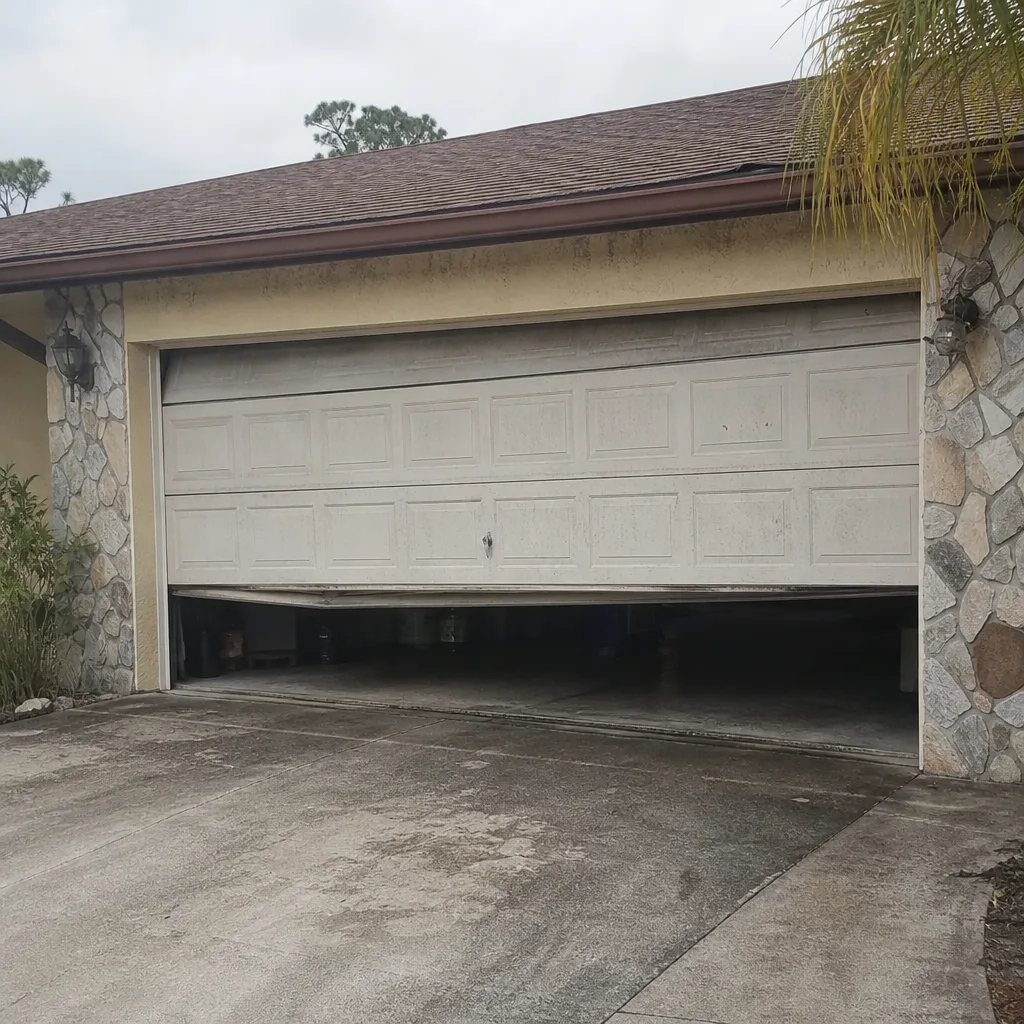 Before
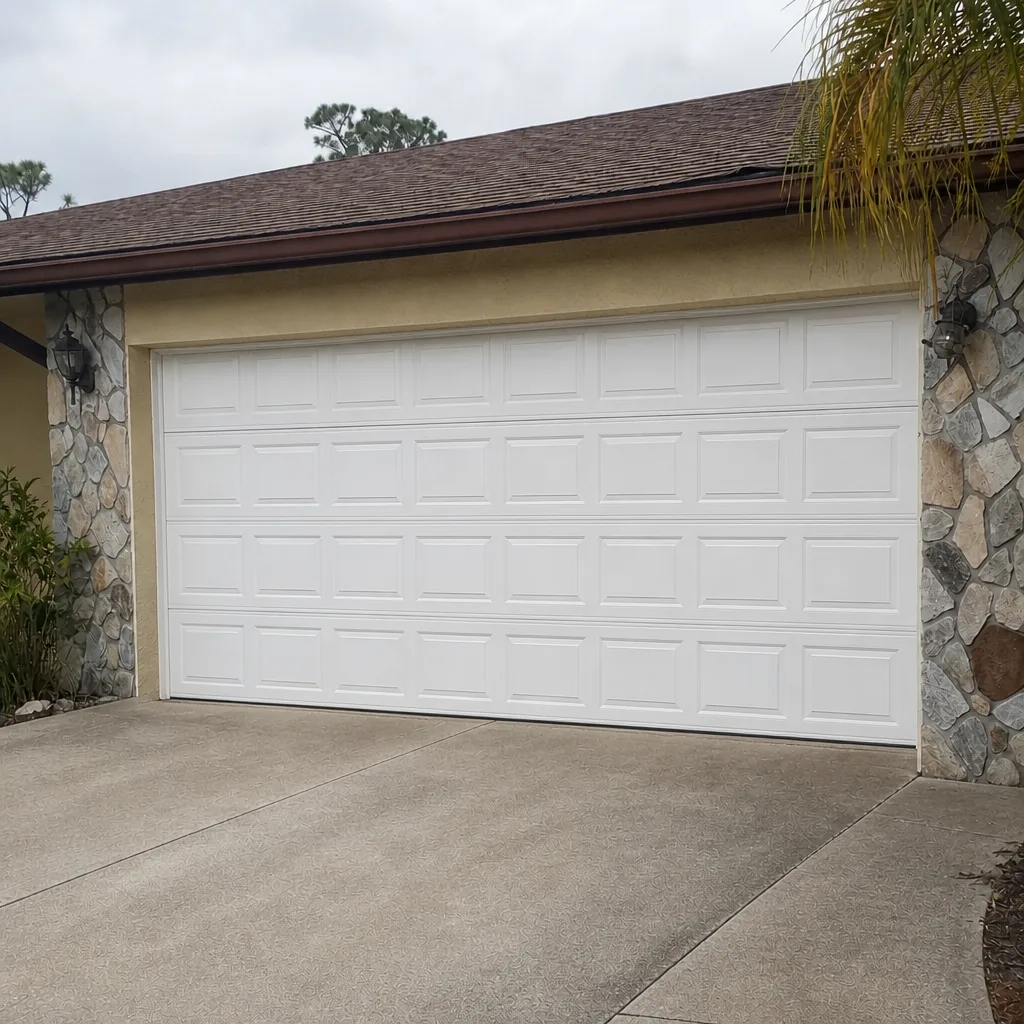 After
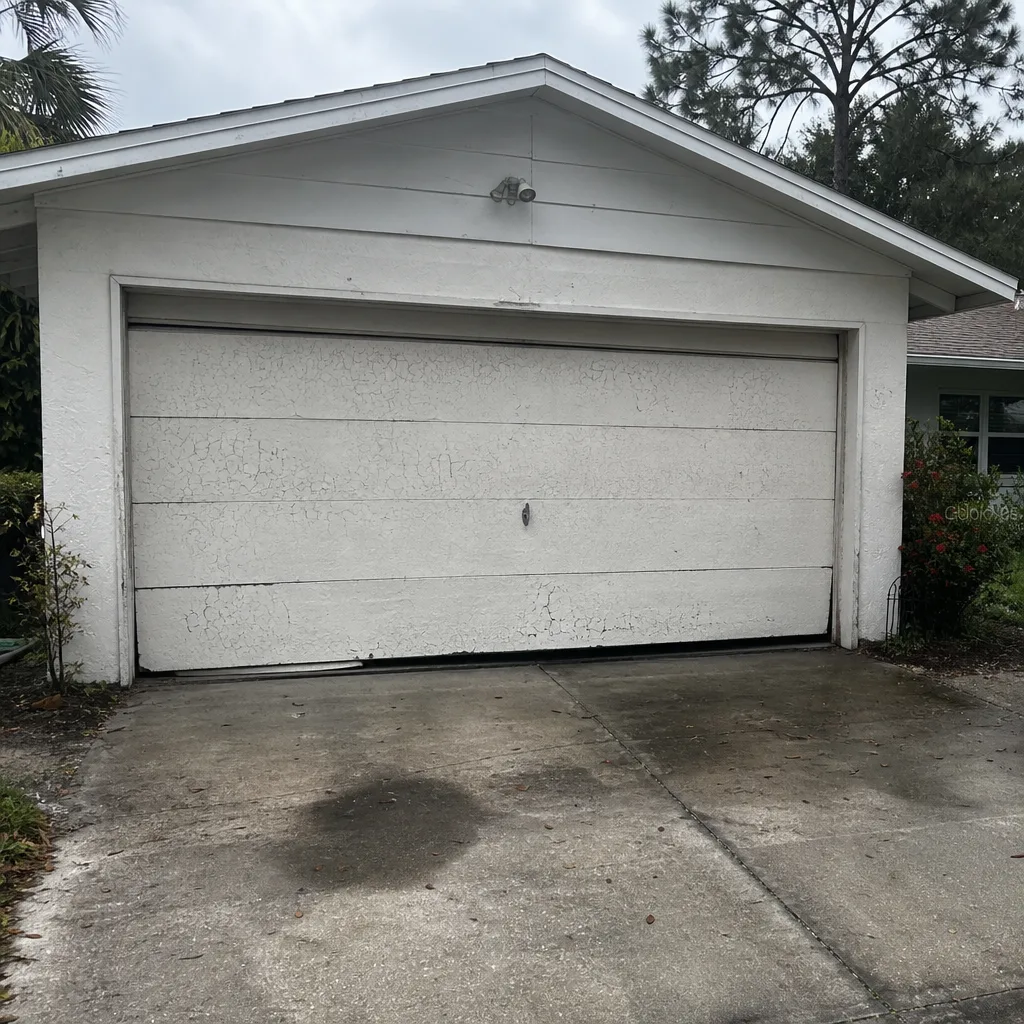 Before
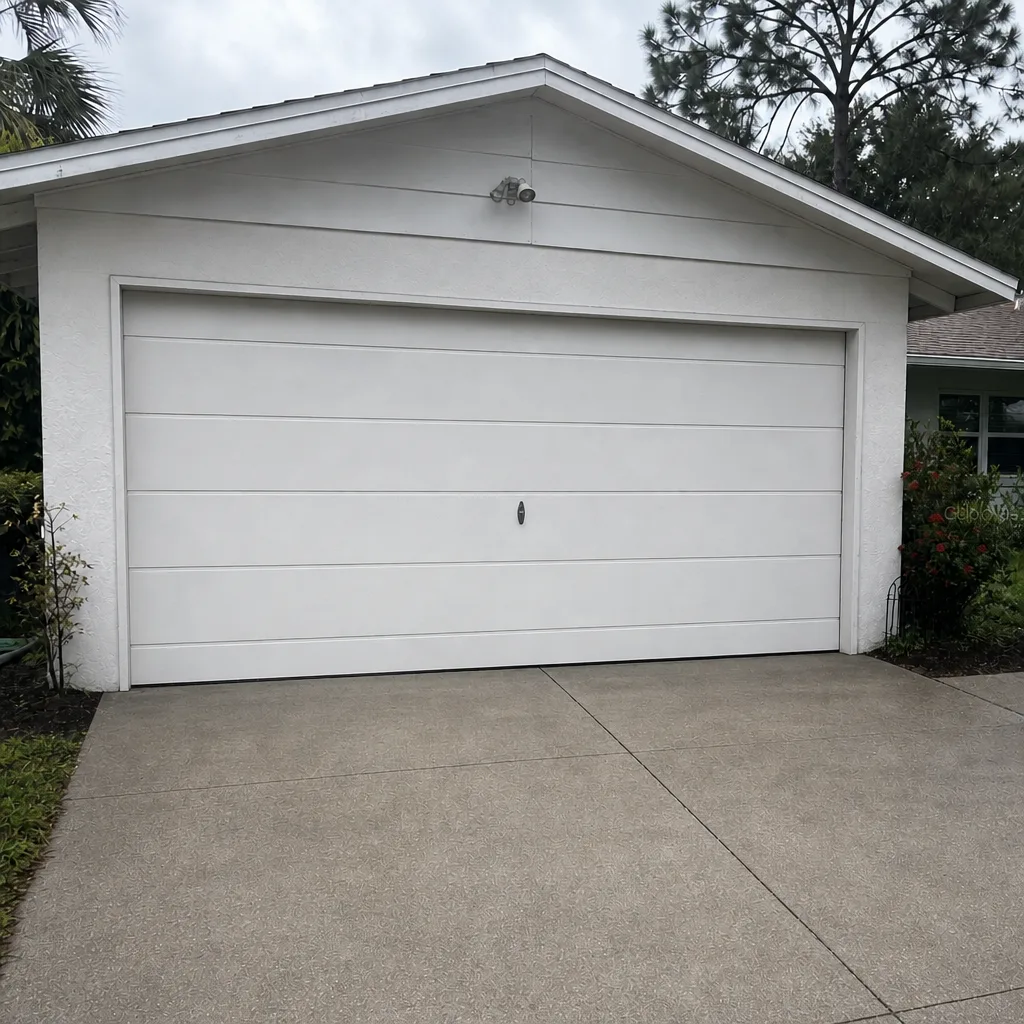 After
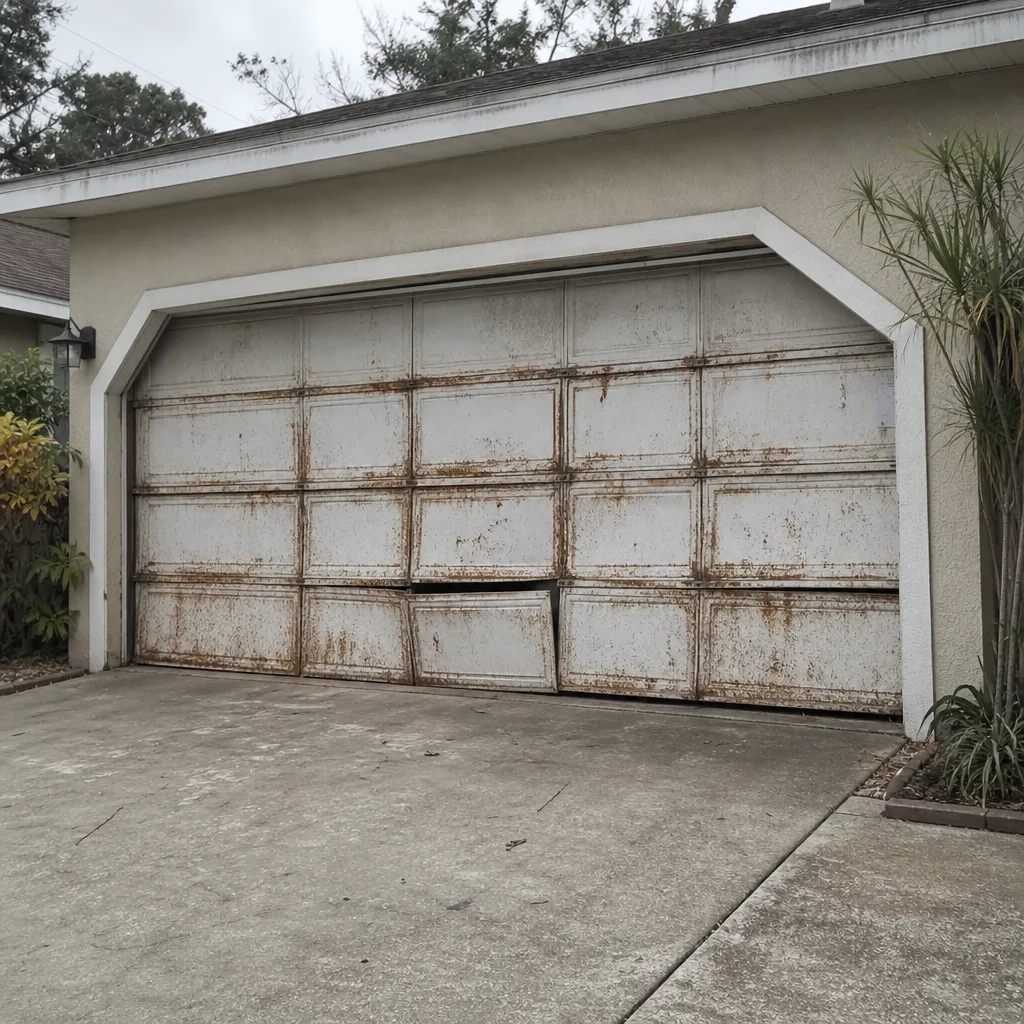 Before
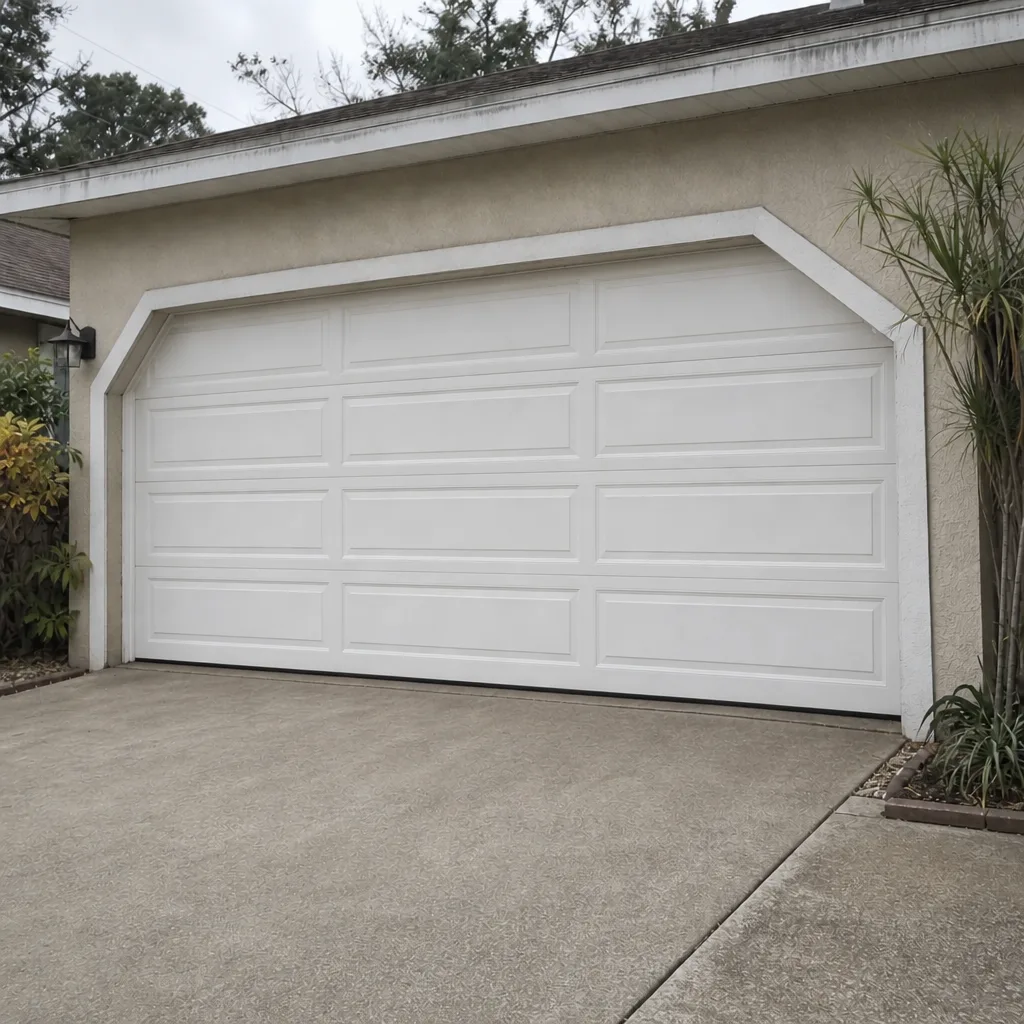 After
Common Mistakes to Avoid
- Treating a torsion spring like a standard garage door stretch spring. A stretch spring on either side of the door is a different beast from the torsion spring above the header. The winding process and the tooling are not interchangeable, and using the wrong technique on a torsion spring is how serious injuries happen.
- Running the opener after a spring snaps. The door is now unbalanced, and the opener will strain to lift a door it was never sized for. This can burn out the motor or bend the tracks. Stop using the opener and get the spring fixed first.
- Installing new door panels without a permit. In Bonita Springs, that decision can undercut a wind mitigation credit and complicate an insurance claim after a storm. The permit is not bureaucracy – it’s the paper trail that protects your coverage.
- Lubricating the tracks. This is a familiar mistake in humid climates. Oil on the tracks collects grit, and grit wears out the rollers faster than dry tracks ever would. Leave the tracks dry; lubricate the moving parts instead.
- Adjusting a cable without relieving spring tension. The cable is under constant load. Trying to correct slack without unwinding the spring can cause the cable to snap back.
- Mismatching the spring to the door. Replacing a broken spring with whatever’s on the shelf at the hardware store loads the opener and shortens the life of the whole system. The spring has to be matched to the door’s weight and cycle count.
- Ignoring a balance test failure. A door that doesn’t hold itself halfway up is telling you the spring is out of adjustment. A short call for garage door opener repair – or a spring check – catches it before something snaps.
When to Call a Professional
You should call a professional whenever the task is in Tier 2 or Tier 3 – anything that involves a cable, a torsion spring, a full door or panel replacement, or opener work where the safety reverse needs to be reset. You should also call if your balance test fails, if the door makes a sharp cracking sound, if you see a frayed or rust-stained cable, or if your door reverses unpredictably and the sensor cleaning doesn’t fix it. And you should call before a door replacement, because the permit and contractor-of-record question is easier to answer before you buy the door than after.
Bonita Springs Garage Door Repair Pros offers free estimates in Bonita Springs – call (866) 647-2827. We answer 24/7, and fast dispatch from 7am to 7pm, Sunday through Friday. Our technicians have up to 12 years of experience, we work on the brand you already have, and the written estimate sets the price before any work starts. If you’re weighing a repair versus a replacement, ask us – the estimate is free, and there’s no pressure to choose one over the other.
Frequently Asked Questions
You can buy one, but we strongly advise against installing it yourself. A torsion spring under tension holds hundreds of pounds of force, and releasing it incorrectly can cause serious injury. Spring work is one of the few tasks on a garage door that is genuinely dangerous; leave it to a trained technician. Call (866) 647-2827 for a free estimate – estimates are free.
Often yes – a full door replacement or panel replacement in Bonita Springs typically requires a permit, and in many cases a licensed contractor of record. The rules are jurisdiction-specific, so call the City of Bonita Springs building department before you plan the job and ask whether your scope requires a permit and a licensed installer. Skipping the permit can undermine a wind mitigation credit and complicate an insurance claim later.
One spring typically runs an estimated $180 to $340 depending on size, door weight, and mounting. A matched pair is usually replaced together, so the pair costs roughly twice that. The written estimate sets the final price – call (866) 647-2827 for an exact quote.
No – the written estimate is the price, agreed before any work starts. If we find something on the door that changes the scope, we tell you first and you decide. Nothing gets added after the fact without your sign-off. Call (866) 647-2827 to schedule a free estimate.
The local professionals we connect you with are state-licensed and insured as their state and local rules require. We work on LiftMaster, Chamberlain, Genie, Clopay, Amarr, Wayne Dalton, Craftsman, and Raynor equipment, and our technicians have up to 12 years of experience. Call (866) 647-2827 for details on your specific job.
Same-day service is often available, and emergency garage door response is a dedicated offering, not an afterthought. We answer 24/7, and fast dispatch runs from 7am to 7pm, Sunday through Friday. A call outside dispatch hours is booked into the next opening, Sunday through Friday, 7am to 7pm. Call (866) 647-2827.
The Bottom Line
Most garage door DIY work is worth doing yourself: lubrication, weatherstrip, sensor cleaning, and visual inspection all save money and keep the door healthy. Anything that touches stored energy – torsion springs, cables, bottom brackets – belongs with a trained technician, and the safety stakes aren’t subtle. In Bonita Springs there’s a third layer: door and panel replacement usually needs a permit and a licensed contractor of record, and skipping that step can undercut a wind mitigation credit worth more than the labor savings. If you’re unsure which tier your job is in, get a free estimate before you start. One call covers it, and the written quote sets the price.
Call (866) 647-2827. We answer 24/7. Fast dispatch from 7am to 7pm, Sunday through Friday. Free estimates, upfront pricing, and a specialist who works on the brand you already have.
Written by the team at Bonita Springs Garage Door Repair Pros.